

Warehouse Automation and Robotics: How Technology Is Transforming Distribution
Warehouse automation has shifted from a competitive advantage to an operational necessity. Rising labor costs, persistent workforce shortages, and escalating customer expectations for speed and accuracy are driving distribution centers to adopt robotics, automated storage and retrieval systems, and intelligent warehouse management software at an accelerating pace.
The Case for Warehouse Automation
Labor represents the largest operating cost in most distribution centers, and warehouse workforce shortages show no sign of easing. Automation addresses this directly — reducing reliance on manual labor for repetitive tasks, improving throughput consistency, and enabling 24/7 operations. The business case has strengthened as robotics costs decline and ROI timelines shorten.
Automated Storage and Retrieval Systems (AS/RS)
AS/RS technology uses automated cranes, shuttles, and carousers to store and retrieve inventory with high density and precision. Modern goods-to-person systems bring inventory directly to workers, eliminating travel time that can consume up to 60% of picker hours. These systems dramatically increase storage density, throughput, and accuracy while reducing labor requirements.
Autonomous Mobile Robots and AGVs
Autonomous mobile robots (AMRs) and automated guided vehicles (AGVs) transport goods within the warehouse without human drivers. AMRs navigate dynamically using sensors and mapping software, while AGVs follow fixed paths. Both reduce manual material handling labor and integrate with warehouse management systems to optimize flow. Collaborative robots (cobots) also assist human workers with picking, packing, and heavy lifting.
Warehouse Management Systems (WMS) and AI
A modern WMS is the brain of an automated warehouse — orchestrating inventory placement, order wave planning, labor allocation, and integration with automation hardware. AI-enhanced WMS platforms optimize slotting based on demand patterns, predict labor needs, and dynamically re-route workflows to balance throughput. The software layer often delivers more value than the hardware itself.
Robotics in Picking and Packing
Robotic picking — using computer vision and robotic arms to grasp items from shelves or totes — has advanced rapidly. While still maturing for highly varied SKU mixes, robotic picking delivers strong ROI for high-volume, repetitive picking environments. Automated packing and palletizing robots reduce labor in the downstream packing and shipping processes.
The Freight Connection: How Automation Shapes Transportation
Warehouse automation directly impacts freight strategy. Automated facilities enable faster, more consistent trailer loading and unloading, reducing detention and improving carrier turnaround. Higher order accuracy reduces returns freight. Optimized inventory positioning enabled by automation can reduce transportation lanes and consolidate shipments. The most efficient supply chains align warehouse automation with transportation strategy — not treat them as separate disciplines.
Getting Started With Warehouse Automation
Automation is not all-or-nothing. Successful programs typically start with a process audit, identify the highest-ROI automation opportunities, and scale incrementally. Cloud-based WMS platforms, robotics-as-a-service models, and modular AMR fleets lower the barrier to entry. Partnering with a logistics provider experienced in both distribution and transportation ensures automation investments align with end-to-end supply chain goals.
More Articles
View All →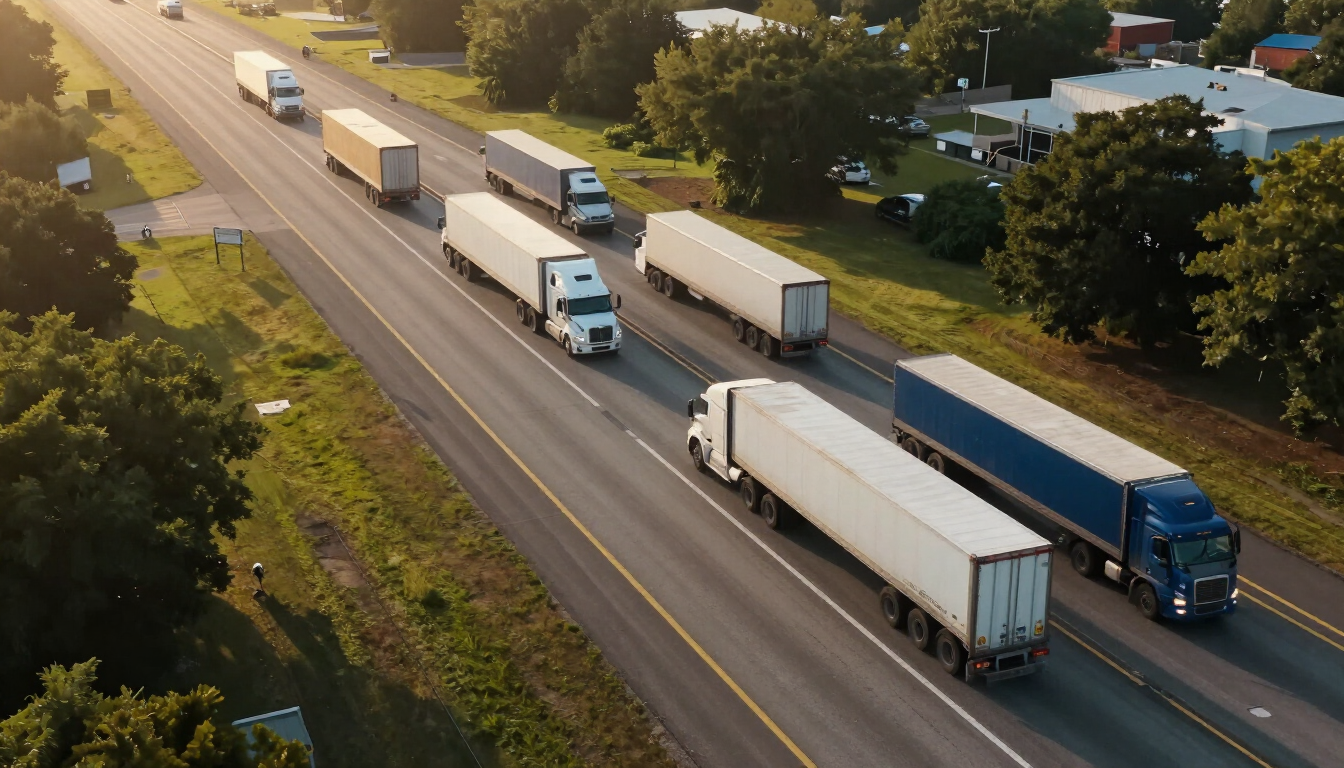 Industry Insights
Freight Market Trends Shaping the Logistics Industry in 2025
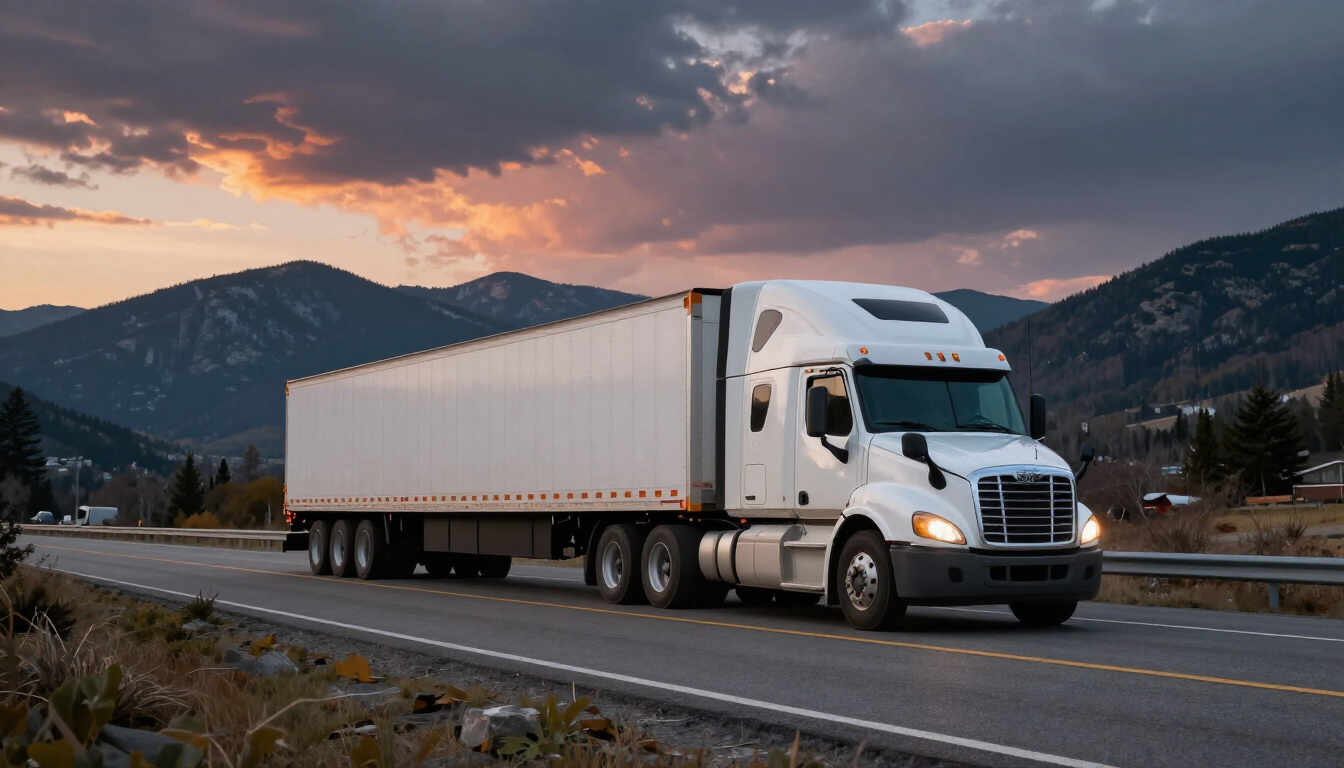 Shipping Best Practices
LTL vs. FTL Shipping: A Complete Guide for Shippers
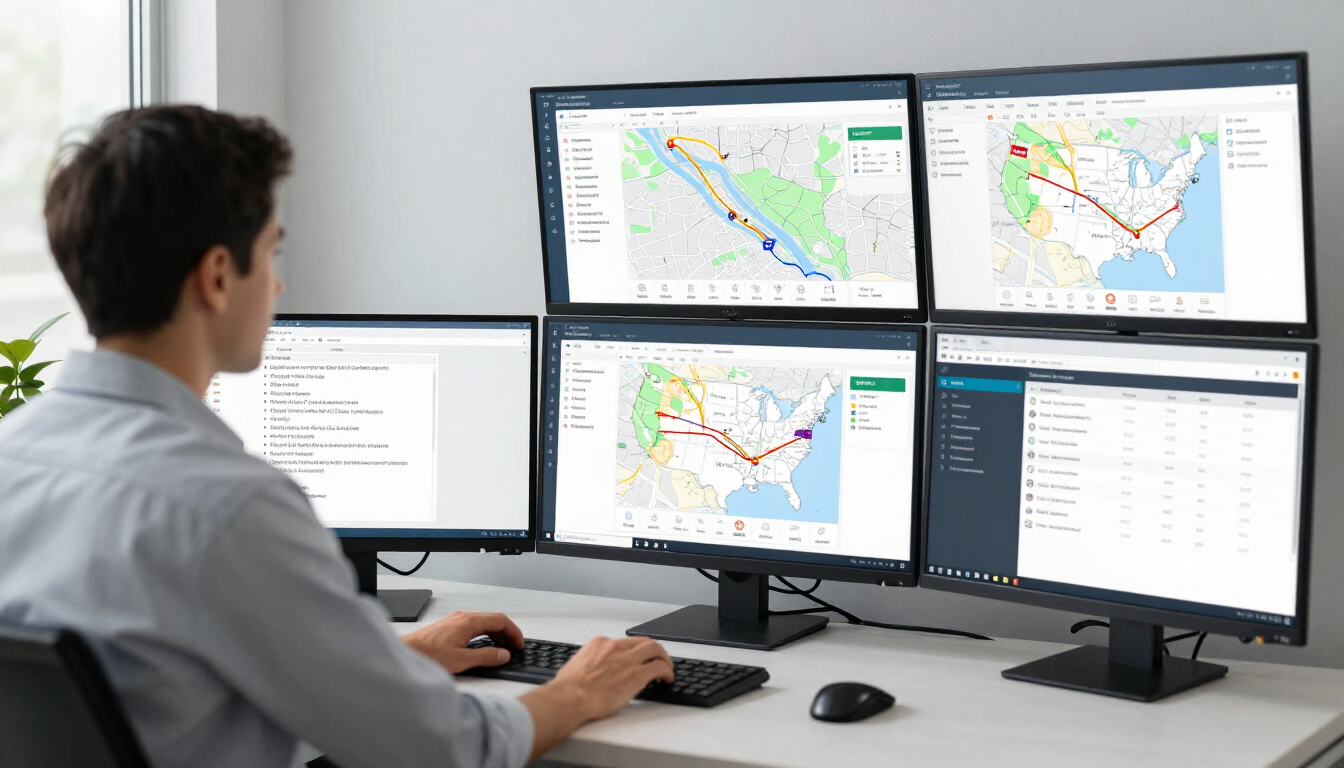 Carrier Selection
How to Choose the Right Freight Carrier: A Shipper's Guide
Get a Freight Quote Today
Put these insights to work. C360 Logistics connects shippers and carriers across the USA, Canada, and Mexico.
Request a Quote