

Freight Market Trends Shaping the Logistics Industry in 2025
The freight market continues to evolve rapidly, shaped by economic pressures, shifting consumer demand, and structural changes in how goods move across North America. For shippers and carriers alike, staying ahead of these trends is critical to maintaining competitive margins and operational efficiency.
Capacity and Rate Dynamics
Truckload capacity remains cyclical, with spot rates under continued pressure as new carrier entrants balance against slowing freight volumes. The LTL sector, however, has seen consistent rate increases as major carriers invest in network density and service improvements. Shippers relying solely on spot markets face margin volatility, making contracted relationships with established freight brokers increasingly valuable.
Fuel Surcharge Volatility
Diesel prices remain a dominant variable cost for motor carriers. The Department of Energy's weekly diesel index directly drives fuel surcharge calculations on most carrier tariffs. Shippers should understand how FSC tables work and negotiate caps or alternative FSC structures when possible to protect their transportation budgets.
Driver Shortage and Retention
The American Trucking Associations estimates the industry faces a shortage of tens of thousands of qualified CDL drivers. This structural deficit supports long-term rate floors and incentivizes carriers to invest in driver retention programs, better pay, and improved working conditions. Shippers who are easy to work with — short dwell times, clean facilities, and consistent freight — attract better carrier coverage.
Nearshoring and Reshoring Impact
Manufacturing nearshoring to Mexico and reshoring to domestic facilities is redistributing freight flows. Cross-border corridors, particularly the Laredo and El Paso gateways, are experiencing elevated volume as maquiladora production scales. This is driving demand for specialized cross-border expertise and creating new lane opportunities for carriers and brokers alike.
Technology Adoption Accelerating
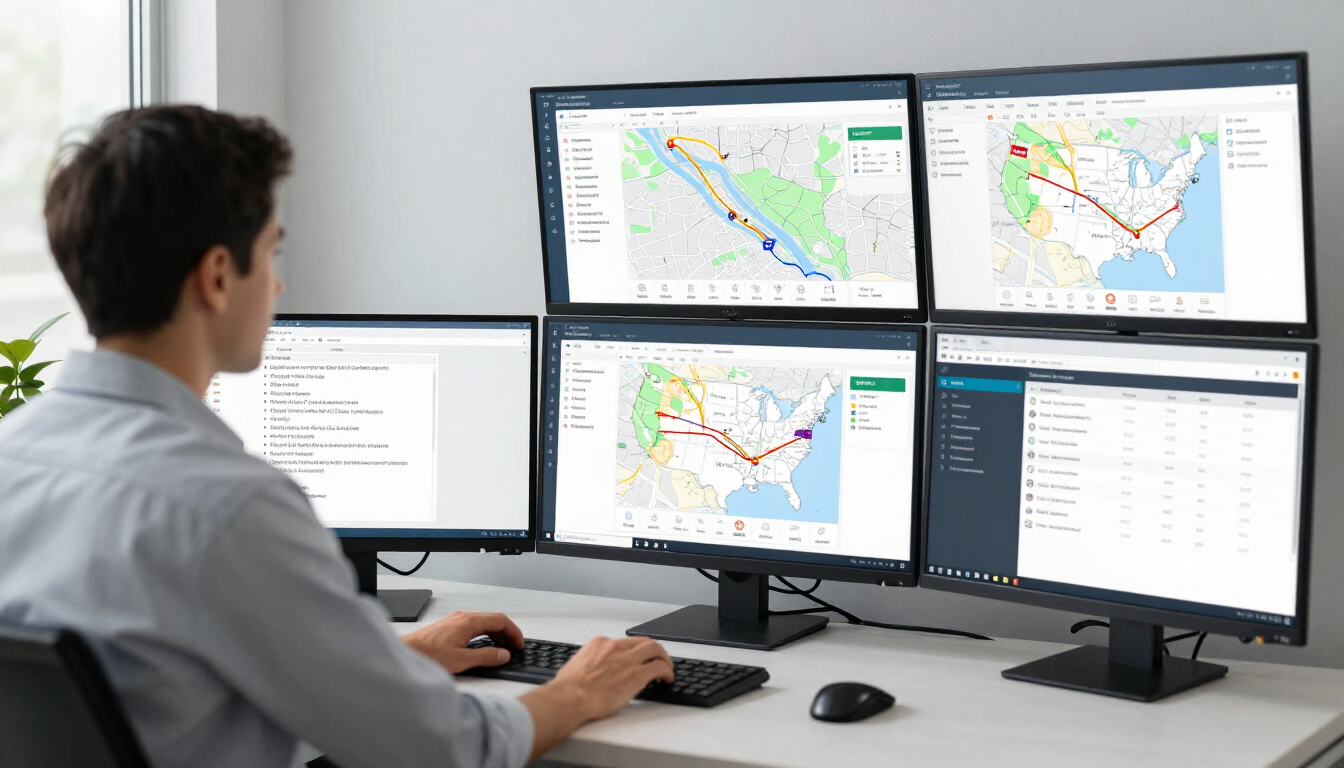
Digital freight platforms, real-time tracking, and automated carrier matching are no longer optional. Shippers increasingly expect visibility and proactive communication as baseline service standards. Freight brokers who invest in technology infrastructure are better positioned to provide consistent service regardless of market conditions.
Planning Ahead
The most resilient shippers enter 2025 with diversified carrier networks, contracted capacity for core lanes, and freight broker partnerships that provide both coverage and market intelligence. Rather than reacting to market shifts, proactive transportation planning creates a structural advantage that compounds over time.
More Articles
View All → Shipping Best Practices
LTL vs. FTL Shipping: A Complete Guide for Shippers
 Carrier Selection
How to Choose the Right Freight Carrier: A Shipper's Guide
 Cost Optimization
10 Proven Freight Cost Optimization Strategies for Shippers
Get a Freight Quote Today
Put these insights to work. C360 Logistics connects shippers and carriers across the USA, Canada, and Mexico.
Request a Quote