
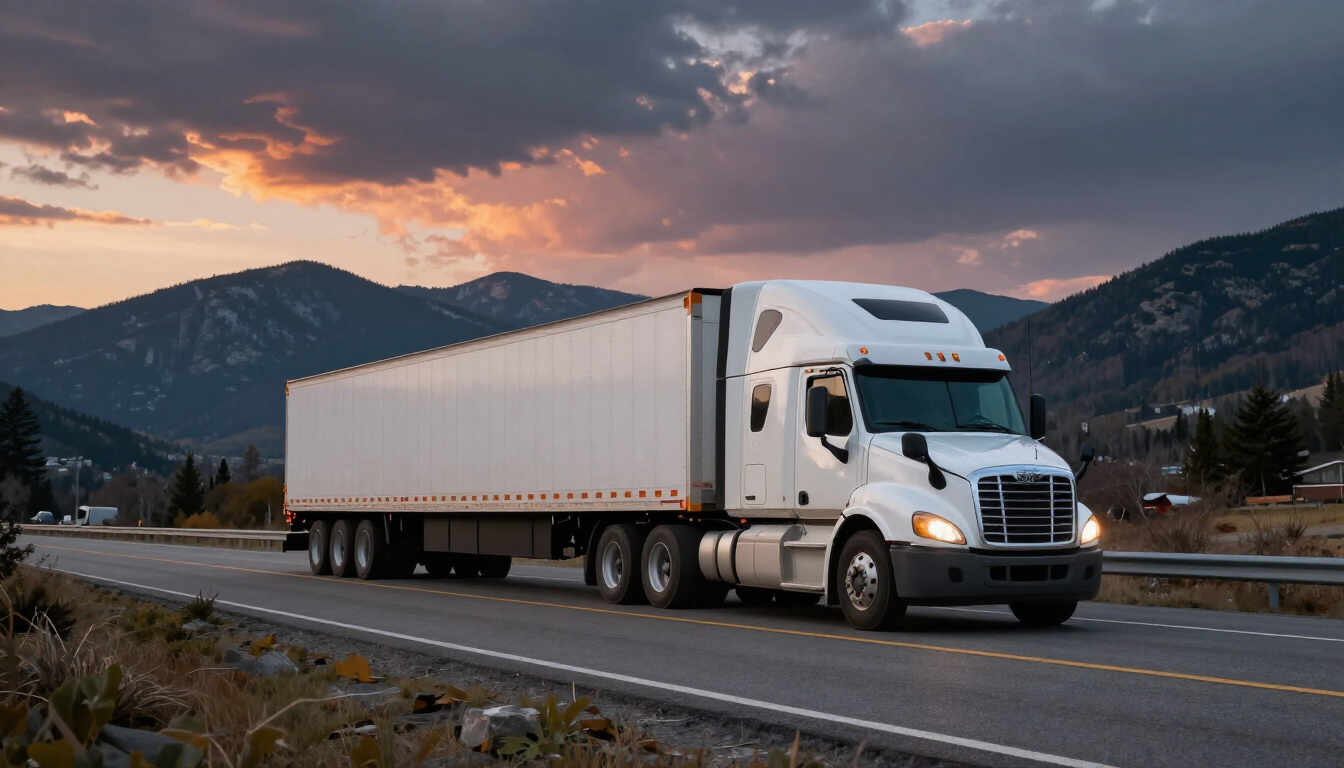
LTL vs. FTL Shipping: A Complete Guide for Shippers
Choosing between Less-Than-Truckload (LTL) and Full Truckload (FTL) shipping is one of the most fundamental decisions in freight transportation. Each mode has distinct cost structures, transit time profiles, and handling characteristics. Understanding when to use each—and how to optimize your freight strategy around them—can significantly reduce your transportation spend.
What Is LTL Freight?
Less-Than-Truckload freight consolidates shipments from multiple shippers into a single trailer. Carriers manage hub-and-spoke terminal networks, where freight is sorted, cross-docked, and relayed toward its destination. LTL is ideal for shipments weighing between 150 and 15,000 pounds that don't require dedicated trailer space.
LTL pricing is based on freight class (NMFC classification), weight, origin/destination zip codes, and any applicable accessorial charges. Freight class is determined by density, stowability, handling ease, and liability — all factors that influence how efficiently a carrier can handle the shipment.
What Is FTL Freight?
Full Truckload shipping dedicates an entire trailer to one shipper's freight. The truck loads at origin and drives directly to the destination without intermediate handling stops. FTL is appropriate when freight fills at least 12–14 linear feet of trailer space, weighs over 15,000 pounds, is time-sensitive, or contains high-value or fragile goods that benefit from minimal handling.
Cost Comparison
LTL costs per pound are typically higher than FTL on a direct basis, but only a portion of the trailer is purchased. FTL costs are relatively stable per load regardless of weight (up to legal limits), making them highly efficient when shipments are dense. The break-even point where FTL becomes cheaper than LTL typically occurs when freight fills roughly 10–12 pallets or exceeds approximately 10,000–12,000 lbs depending on the lane.
Transit Time Differences
FTL shipments typically offer faster, more predictable transit times because freight moves point-to-point without terminal stops. LTL shipments move through carrier terminal networks, adding one to several days of transit time depending on distance. For time-sensitive deliveries, this distinction is critical to service level planning.
When to Choose LTL
- Shipments under 10,000 lbs that don't fill a trailer
- Cost-sensitive moves where transit time flexibility exists
- Regular lane shipments where you can leverage carrier volume discounts
- Non-fragile goods that can withstand terminal handling
When to Choose FTL
- Shipments over 10,000–12,000 lbs or 10+ pallets
- Time-critical deliveries requiring direct service
- High-value, fragile, or perishable freight
- Hazardous materials requiring segregation
- Tradeshow or event freight with hard deadlines
Working With a Freight Broker
An experienced freight broker adds value by analyzing your shipment profile and recommending the most cost-effective mode and carrier combination. Brokers with broad carrier networks provide competitive pricing on both LTL and FTL shipments, often at rates individual shippers can't access independently.
More Articles
View All → Industry Insights
Freight Market Trends Shaping the Logistics Industry in 2025
 Carrier Selection
How to Choose the Right Freight Carrier: A Shipper's Guide
 Cost Optimization
10 Proven Freight Cost Optimization Strategies for Shippers
Get a Freight Quote Today
Put these insights to work. C360 Logistics connects shippers and carriers across the USA, Canada, and Mexico.
Request a Quote