
How Technology Is Transforming Freight Brokerage and Supply Chain Visibility
The freight industry is in the middle of a technology transformation that is reshaping every aspect of how goods move from origin to destination. From how loads are matched with carriers to how shippers monitor their freight in transit, digital tools are creating new standards for speed, transparency, and efficiency.
Digital Load Matching and Pricing
AI-powered load matching platforms analyze thousands of carrier positions, historical lane data, and real-time market conditions to match freight with the most appropriate available carrier. These systems reduce the time required to cover a load from hours to minutes and improve carrier utilization by better predicting where capacity will be needed.
Real-Time Visibility and Tracking
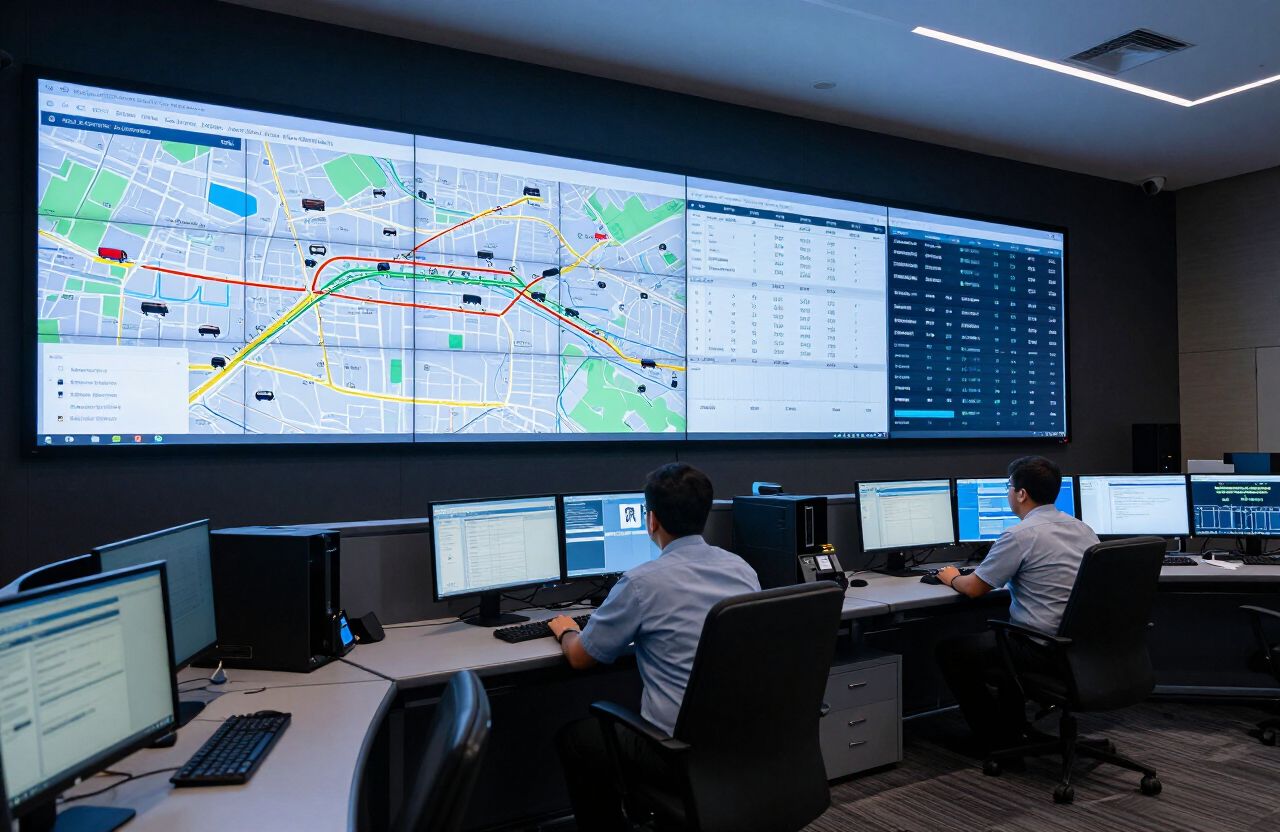
Electronic Logging Devices (ELDs) and GPS telematics have made real-time freight tracking accessible for the first time at scale. Modern visibility platforms aggregate carrier position data, provide predictive ETA calculations, and automatically flag potential delays — enabling proactive exception management rather than reactive problem solving.
For shippers, this translates to better inventory management, more accurate inbound scheduling, and improved customer communication. The days of "checking on a load" via phone calls are rapidly giving way to automated visibility platforms with direct integration into shipper TMS and ERP systems.
Automated Document Processing
Machine learning document processing tools are automating BOL extraction, invoice reconciliation, and claims documentation. These tools reduce data entry errors, accelerate invoice processing cycles, and free operations staff to focus on exception management rather than routine data handling.
Predictive Analytics for Transportation Planning
Historical shipment data, carrier performance metrics, and market pricing signals are powering predictive models that help shippers optimize carrier selection, routing, and mode decisions before loads are tendered. These tools surface insights that were previously only available to analysts with dedicated data infrastructure.
API Integration and Ecosystem Connectivity
Modern freight technology increasingly operates as an interconnected ecosystem rather than standalone tools. API integrations between shipper ERP systems, carrier TMS, broker platforms, and visibility providers create seamless data flows that reduce manual touchpoints and accelerate operational cycles.
The Human Element Remains Essential
Technology enhances the freight broker's capabilities — it doesn't replace the expertise, relationships, and judgment that distinguish excellent brokers. The most effective freight operations combine technology infrastructure with experienced professionals who can navigate exceptions, build carrier relationships, and apply market knowledge that algorithms alone can't replicate.
More Articles
View All → Industry Insights
Freight Market Trends Shaping the Logistics Industry in 2025
 Shipping Best Practices
LTL vs. FTL Shipping: A Complete Guide for Shippers
 Carrier Selection
How to Choose the Right Freight Carrier: A Shipper's Guide
Get a Freight Quote Today
Put these insights to work. C360 Logistics connects shippers and carriers across the USA, Canada, and Mexico.
Request a Quote