

Sustainable Freight: How Green Logistics and ESG Are Reshaping Transportation
Sustainability has shifted from a corporate talking point to a measurable logistics priority. Shippers, carriers, and freight brokers face growing pressure from customers, regulators, and investors to reduce transportation emissions and report environmental performance. Green freight logistics is now a competitive differentiator — and a regulatory reality.
The Carbon Footprint of Freight
Transportation accounts for the largest share of greenhouse gas emissions in the logistics sector, with trucking representing the dominant contributor. Scope 3 emissions — those generated across a company's value chain, including freight transportation — are now a required disclosure for many publicly traded companies. Understanding your freight carbon footprint is the first step toward managing it.
Electric and Alternative-Fuel Trucks
Battery-electric Class 8 trucks are entering regional and drayage fleets, particularly in California where Advanced Clean Fleets regulations mandate zero-emission adoption. Renewable natural gas, hydrogen fuel cells, and renewable diesel offer lower-carbon alternatives for longer-haul applications. While total cost of ownership remains a barrier for some fleets, incentives and falling battery costs are accelerating adoption in dense freight corridors.
Load Optimization and Empty Mileage Reduction
One of the most effective sustainability strategies is also one of the most cost-effective: reducing empty miles. Backhaul matching, load consolidation, and route optimization cut deadhead mileage — the empty return trips that waste fuel and generate emissions without revenue. Freight brokers with dense carrier networks and digital matching tools are uniquely positioned to reduce empty miles across the supply chain.
Mode Shift and Intermodal Freight
Rail intermodal freight generates roughly 75% lower emissions per ton-mile than truckload. Shifting eligible long-haul freight from truck to intermodal rail reduces both carbon footprint and transportation cost — though transit times increase. Shippers with flexible delivery windows on long lanes can capture meaningful sustainability and cost gains through intermodal conversion.
Carbon Reporting and ESG Disclosure
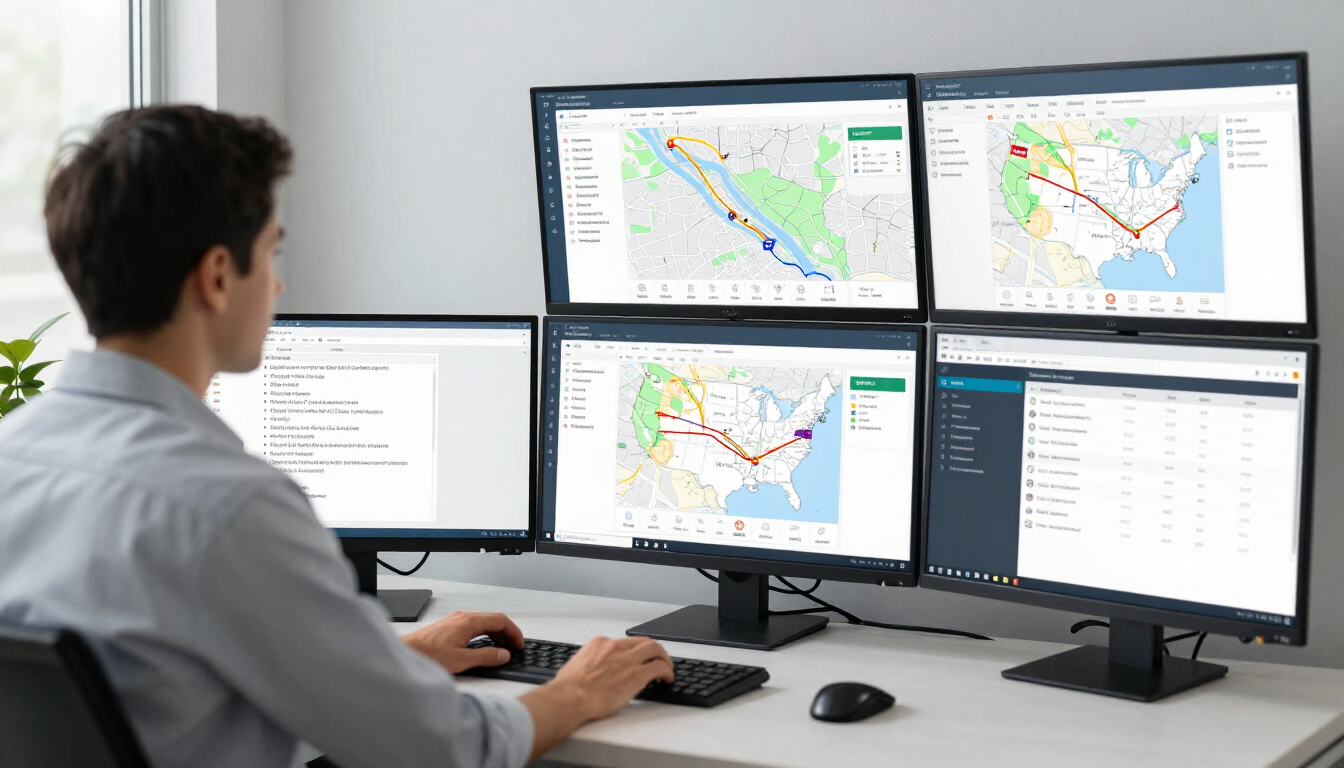
Major customers increasingly require freight emissions reporting as part of supplier ESG scorecards. The Global Logistics Emissions Council (GLEC) framework and ISO 14083 standard provide methodologies for calculating transportation emissions. Freight brokers that offer carbon reporting on shipments help shippers meet disclosure requirements without building internal emissions accounting capabilities.
Sustainable Warehousing and Distribution
Green logistics extends beyond transportation. LEED-certified warehouses, solar-powered distribution centers, energy-efficient material handling equipment, and packaging reduction all contribute to a sustainable supply chain. Network design — positioning inventory closer to demand to reduce average shipping distance — has the largest structural impact on logistics emissions.
Building a Greener Freight Strategy
Sustainability in freight is a journey, not a switch. The most effective programs start with measurement, identify the highest-impact reduction opportunities, and set credible targets. Partnering with a freight broker committed to green logistics — one that offers carbon reporting, intermodal options, and load optimization — accelerates progress without sacrificing service or cost performance.
More Articles
View All →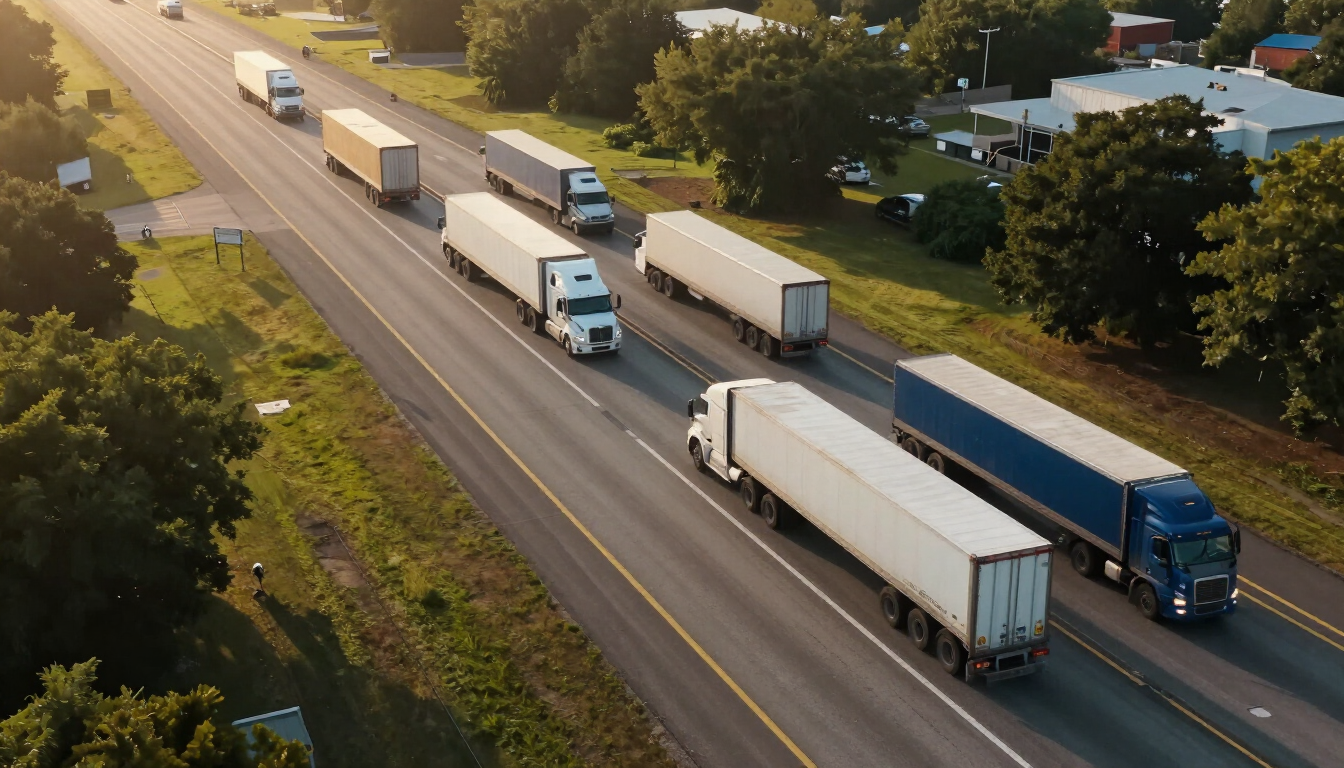 Industry Insights
Freight Market Trends Shaping the Logistics Industry in 2025
 Shipping Best Practices
LTL vs. FTL Shipping: A Complete Guide for Shippers
 Carrier Selection
How to Choose the Right Freight Carrier: A Shipper's Guide
Get a Freight Quote Today
Put these insights to work. C360 Logistics connects shippers and carriers across the USA, Canada, and Mexico.
Request a Quote