
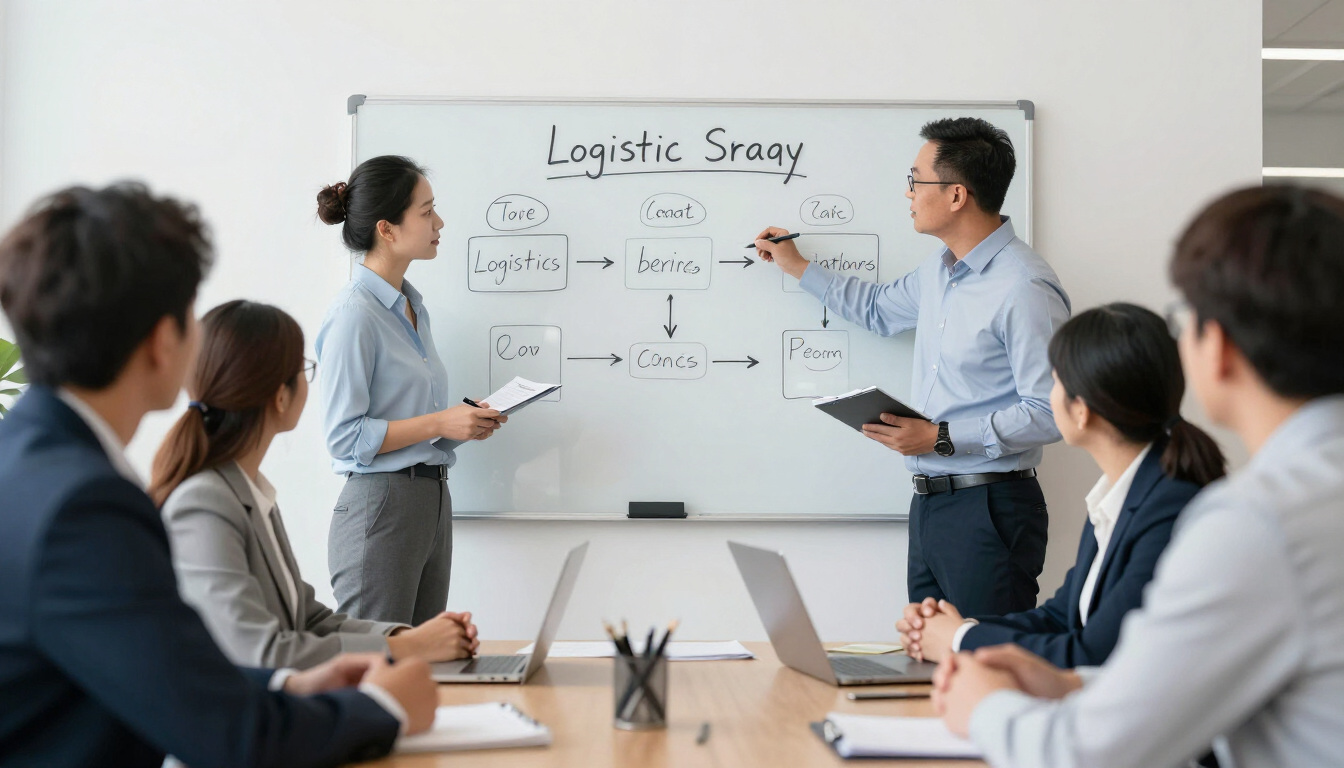
Building Supply Chain Resilience: Lessons From Recent Disruptions
The past several years have been a stress test for global supply chains. Port closures, carrier capacity crunches, geopolitical disruptions, and extreme weather events have exposed the fragility of lean, just-in-time supply chain models that prioritized efficiency over resilience. The lesson has been expensive — and the rethinking is ongoing.
The Limits of Lean Optimization
Decades of supply chain optimization focused on reducing inventory, consolidating suppliers, and maximizing efficiency created systems that performed exceptionally under normal conditions but failed dramatically under stress. Single-source supplier dependencies, minimal safety stock, and concentrated distribution infrastructure proved catastrophically vulnerable when disruptions cascaded simultaneously.
Diversification as a Resilience Strategy
Supply chain resilience begins with diversification at every level: multiple suppliers across different geographies for critical inputs, multiple carrier relationships across modes and lanes, multiple distribution facility locations, and multiple customer delivery options. Diversification increases normal operating costs modestly but dramatically reduces tail risk exposure.
Strategic Safety Stock and Inventory Positioning
The pendulum has swung back toward strategic safety stock for critical SKUs and high-revenue products. The carrying cost of additional inventory must be weighed against the cost of stockouts, expedited freight, and customer attrition. Companies that maintained slightly higher inventory buffers through recent disruptions significantly outperformed their lean counterparts.
Nearshoring and Supply Chain Regionalization
Reducing supply chain geography — moving production closer to consumption — is one of the most durable resilience investments. Shorter supply chains have fewer disruption exposure points, lower transit times, and more predictable logistics costs. Mexico nearshoring, in particular, is enabling North American manufacturers to reduce Asia dependency while maintaining competitive cost structures.
Scenario Planning and Contingency Logistics
Best-in-class supply chain operations conduct regular disruption scenario planning: port closure simulations, carrier failure contingencies, extreme weather protocols, and demand surge response plans. These exercises surface gaps before disruptions occur and build institutional knowledge that accelerates response when the unexpected happens.
Technology as a Resilience Enabler
Real-time visibility platforms, predictive analytics, and supply chain risk monitoring tools provide earlier warning signals that create more response time. Companies with robust visibility infrastructure consistently respond to emerging disruptions faster than those relying on manual monitoring and reactive communication.
Strategic Partnerships in Logistics
Resilience requires relationships, not just transactions. Logistics partners who understand your business, have access to diverse carrier networks, and prioritize your freight during capacity crunches provide resilience that cannot be purchased at spot rates when a disruption strikes. Building those relationships before you need them is one of the highest-ROI supply chain investments available.
More Articles
View All → Industry Insights
Freight Market Trends Shaping the Logistics Industry in 2025
 Shipping Best Practices
LTL vs. FTL Shipping: A Complete Guide for Shippers
 Carrier Selection
How to Choose the Right Freight Carrier: A Shipper's Guide
Get a Freight Quote Today
Put these insights to work. C360 Logistics connects shippers and carriers across the USA, Canada, and Mexico.
Request a Quote