

10 Proven Freight Cost Optimization Strategies for Shippers
For many businesses, transportation represents 5–15% of revenue — or more. Even modest improvements in freight cost efficiency compound significantly over time. These ten strategies provide a practical roadmap for reducing transportation spend without degrading service levels.
1. Consolidate Shipments
Combining multiple smaller shipments into larger loads reduces per-unit transportation costs significantly. Evaluate whether order minimums, inventory positioning, or slight delivery schedule adjustments can enable consolidation into FTL loads from LTL, or multi-stop truckloads that eliminate multiple individual shipments.
2. Optimize Freight Classification
LTL freight class directly determines pricing. Many shippers unknowingly over-classify freight, paying higher rates than necessary. A density analysis often reveals that actual shipment density qualifies for a lower freight class. Work with your broker to review NMFC classifications and challenge inaccurate assignments.
3. Negotiate Carrier Contracts
Spot market reliance is expensive. For lanes with predictable volume, contracted rates with base carriers provide cost certainty and typically lower rates. Volume commitments allow carriers to plan capacity, and they reward that commitment with preferential pricing.
4. Reduce Accessorial Charges
Liftgate fees, inside delivery, limited access charges, detention, and redelivery charges can add 20–40% to base freight costs on affected shipments. Audit your invoices for accessorial patterns and address root causes operationally — better delivery instructions, accurate delivery windows, and dock scheduling improvements often eliminate recurring charges.
5. Improve Packaging Efficiency
Denser packaging reduces dimensional weight, freight class sensitivity, and the number of handling units. It also reduces damage claims, which have real cost implications beyond the direct claim amount. Packaging audits regularly reveal opportunities to reduce cube and improve product protection simultaneously.
6. Leverage Technology
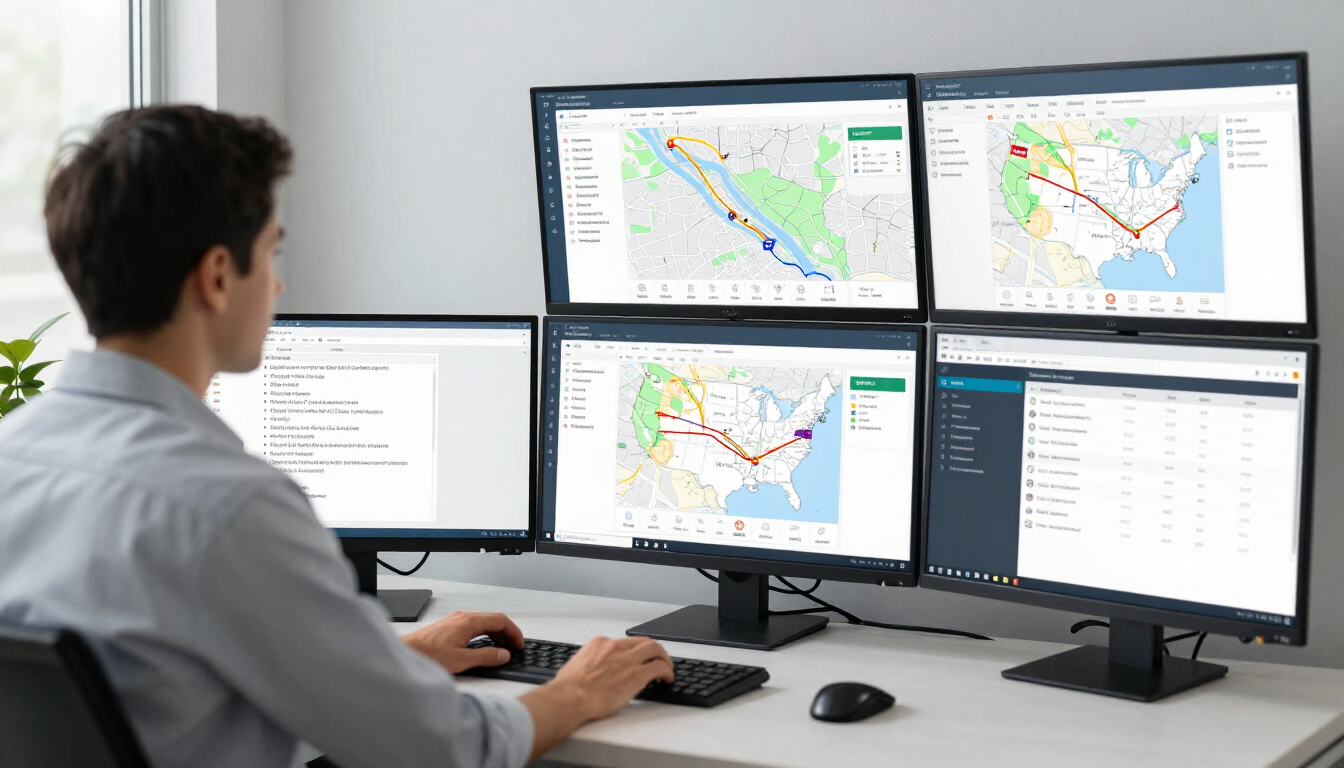
Transportation Management Systems (TMS) enable route optimization, carrier comparison, and invoice audit automation. Even small shippers benefit from digital freight platforms that provide rate transparency and streamline the booking process.
7. Diversify Your Carrier Base
Single-carrier dependency creates rate risk and service vulnerability. Maintaining relationships with multiple qualified carriers for each lane provides competitive pressure on pricing and backup coverage during capacity crunches.
8. Optimize Transit Times
Allowing more transit time flexibility — even 24 hours — opens lower-cost carrier options and lanes. Evaluate which shipments truly have hard deadlines versus those where a day of flexibility creates significant routing and pricing opportunity.
9. Audit Freight Invoices
Carrier invoice errors are common, including incorrect accessorial charges, wrong weight assessments, and duplicate billing. Systematic invoice auditing recovers meaningful dollars. Freight bill audit services or TMS-automated auditing provides ROI far exceeding implementation costs.
10. Partner With a Strategic Freight Broker
The right freight broker provides market intelligence, carrier relationships, negotiation leverage, and operational expertise that most shippers can't replicate internally. The value extends far beyond transactional savings — strategic broker partnerships inform transportation network design decisions that have lasting cost impact.
More Articles
View All → Industry Insights
Freight Market Trends Shaping the Logistics Industry in 2025
 Shipping Best Practices
LTL vs. FTL Shipping: A Complete Guide for Shippers
 Carrier Selection
How to Choose the Right Freight Carrier: A Shipper's Guide
Get a Freight Quote Today
Put these insights to work. C360 Logistics connects shippers and carriers across the USA, Canada, and Mexico.
Request a Quote