
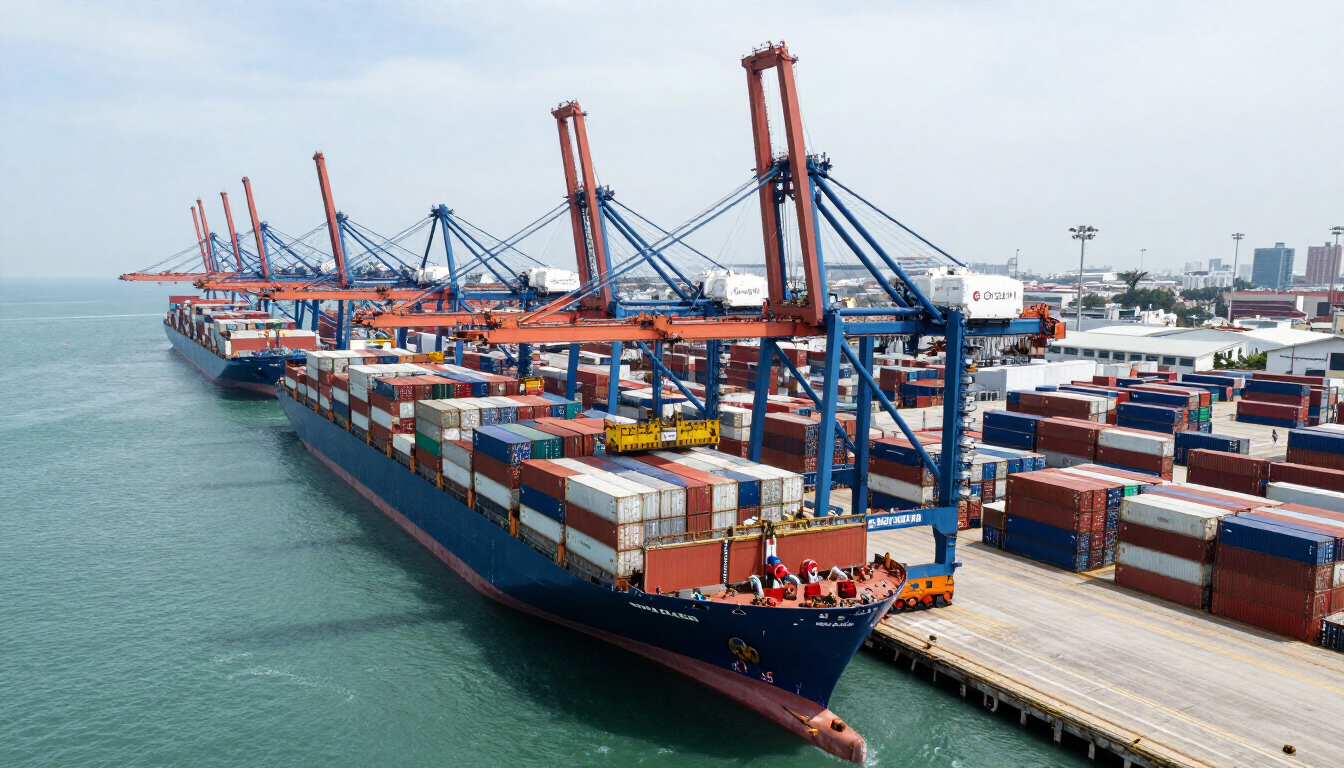
Understanding Drayage: The Critical Link Between Ports and Supply Chains
Drayage is one of the most misunderstood segments in the freight industry — yet it's often the most operationally complex and cost-sensitive leg of an international shipment. As port congestion, chassis availability, and appointment system complexity have increased in recent years, drayage expertise has become a critical differentiator for importers and exporters.
What Is Drayage?
Drayage refers to the short-distance transport of shipping containers, typically between an ocean port or rail terminal and a nearby warehouse, distribution center, or transload facility. While a drayage move might cover only 10–50 miles, it sits at the critical interface between international ocean or intermodal rail movements and the domestic trucking network.
Port and Rail Drayage Operations
Port drayage requires port-specific operating authority, chassis arrangements, terminal appointments, and driver credentials. Container picks at major US ports like Los Angeles/Long Beach, New York/New Jersey, Savannah, and Houston involve navigating terminal appointment systems, port congestion windows, and chassis availability that vary by terminal and change frequently.
Rail ramp drayage, serving intermodal terminals operated by BNSF, UP, CSX, and NS, requires separate operating authority and familiarity with ramp-specific operating procedures and documentation requirements.
Chassis and Equipment
Chassis availability — the wheeled undercarriage that carries containers over the road — has been one of the most persistent pain points in port drayage. The transition from ocean carrier-provided chassis to shipper-owned and third-party chassis pools has created complexity that affects availability, condition, and cost. Drayage providers with chassis pool relationships and owned equipment provide more reliable service than those entirely dependent on pool availability.
Demurrage and Detention
Demurrage (charges for excess container dwell time at port) and detention (charges for excess chassis time) represent some of the most significant and avoidable costs in import logistics. Containers have free time allowances at port — typically 4–5 days at US ports — after which daily demurrage charges accrue. These charges can accumulate rapidly, particularly during port congestion events.
Proactive drayage planning, coordinated delivery appointments, and warehouse capacity readiness before vessel arrival are the primary defenses against demurrage and detention exposure.
Transloading at the Port
Many importers transload containers near the port — transferring ocean container contents into domestic trailers — rather than moving the container to an inland destination. Transloading enables route optimization, reduces chassis costs for inland moves, and allows mixing of products from multiple containers into region-specific loads. For high-volume importers with multiple distribution points, port-area transloading can significantly reduce inland transportation costs.
Working With a Drayage Specialist
Drayage is not a commodity service. Carrier qualification, port authority familiarity, chassis relationships, and appointment management expertise vary substantially across providers. Working with a freight broker that maintains qualified drayage carrier networks at key ports ensures your containers move efficiently from port to destination — regardless of the market conditions at any given terminal.
More Articles
View All → Industry Insights
Freight Market Trends Shaping the Logistics Industry in 2025
 Shipping Best Practices
LTL vs. FTL Shipping: A Complete Guide for Shippers
 Carrier Selection
How to Choose the Right Freight Carrier: A Shipper's Guide
Get a Freight Quote Today
Put these insights to work. C360 Logistics connects shippers and carriers across the USA, Canada, and Mexico.
Request a Quote