
Cross-Border Freight: A Complete Guide to US-Mexico and US-Canada Shipping
Cross-border freight between the United States, Mexico, and Canada represents one of the world's most active trade corridors. USMCA (United States-Mexico-Canada Agreement) has simplified many aspects of North American trade, but successfully moving freight across these borders still requires navigating regulatory compliance, customs documentation, carrier certifications, and logistics coordination that differs substantially from domestic shipping.
US-Mexico Cross-Border Fundamentals
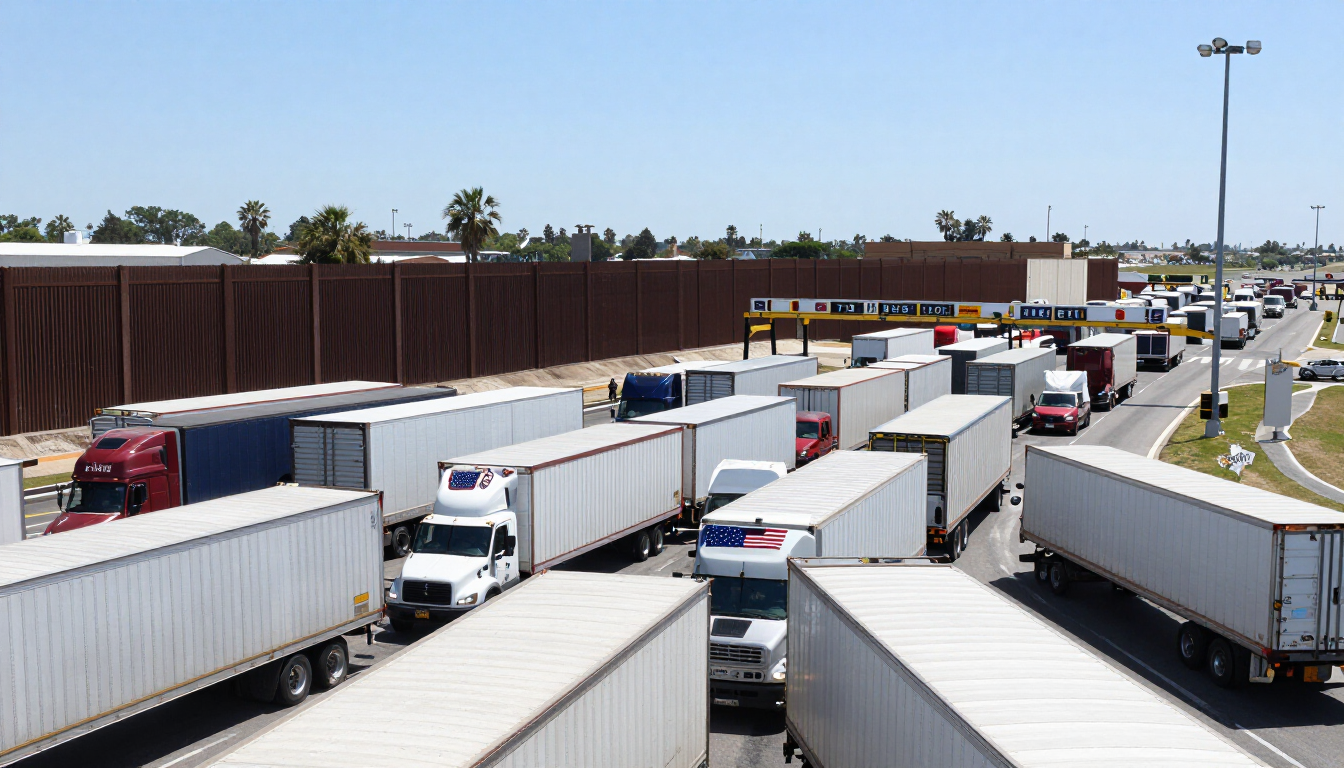
Mexico cross-border freight most commonly moves via truck through key gateway cities: Laredo (the highest-volume commercial port of entry), El Paso/Ciudad Juárez, Nogales, and McAllen. Most freight is transported using a "turn" model, where a US carrier transports to the border, a drayage/border agent cross-hauls across the bridge, and a Mexican carrier (Transportista) handles the interior Mexico leg.
Required Documentation for Mexico Freight
- Commercial Invoice (in Spanish for Mexican customs)
- Packing List
- Bill of Lading (Carta Porte)
- Pedimento (Mexican customs declaration processed by a licensed customs broker)
- USMCA Certificate of Origin (for qualifying goods)
- Proof of insurance
US-Canada Cross-Border Freight
Canada cross-border freight is generally more straightforward than Mexico due to similar regulatory frameworks and the long history of Canada-US trade. Most trucking companies hold operating authority in both countries. Key border crossings include Detroit/Windsor, Buffalo/Fort Erie, and the Ambassador Bridge corridor.
Canadian customs requires a commercial invoice, packing list, bill of lading, and USMCA Certificate of Origin for qualifying products. The Canada Border Services Agency (CBSA) processes commercial entries, and many carriers use electronic pre-arrival notification systems to expedite clearance.
Customs Brokerage
Both US-Mexico and US-Canada shipments benefit significantly from experienced customs brokers. Licensed customs brokers understand tariff classification, duty rates, preferential trade programs, and compliance requirements that can dramatically affect landed cost. Errors in customs declarations can result in delays, fines, and shipment holds.
Nearshoring Trends and Their Impact
Manufacturing nearshoring to northern Mexico has significantly increased cross-border freight volumes in automotive, electronics, and consumer goods sectors. Companies relocating production closer to US markets are generating new demand for reliable cross-border logistics providers with established border crossing expertise and trusted carrier networks.
Working With a Cross-Border Specialist
Cross-border freight is not a commodity service. The complexity of documentation, carrier qualification requirements, and customs compliance makes specialized expertise essential. An experienced cross-border freight broker with established carrier relationships at key border gateways dramatically reduces transit risk and ensures compliance at every step.
More Articles
View All → Industry Insights
Freight Market Trends Shaping the Logistics Industry in 2025
 Shipping Best Practices
LTL vs. FTL Shipping: A Complete Guide for Shippers
 Carrier Selection
How to Choose the Right Freight Carrier: A Shipper's Guide
Get a Freight Quote Today
Put these insights to work. C360 Logistics connects shippers and carriers across the USA, Canada, and Mexico.
Request a Quote