
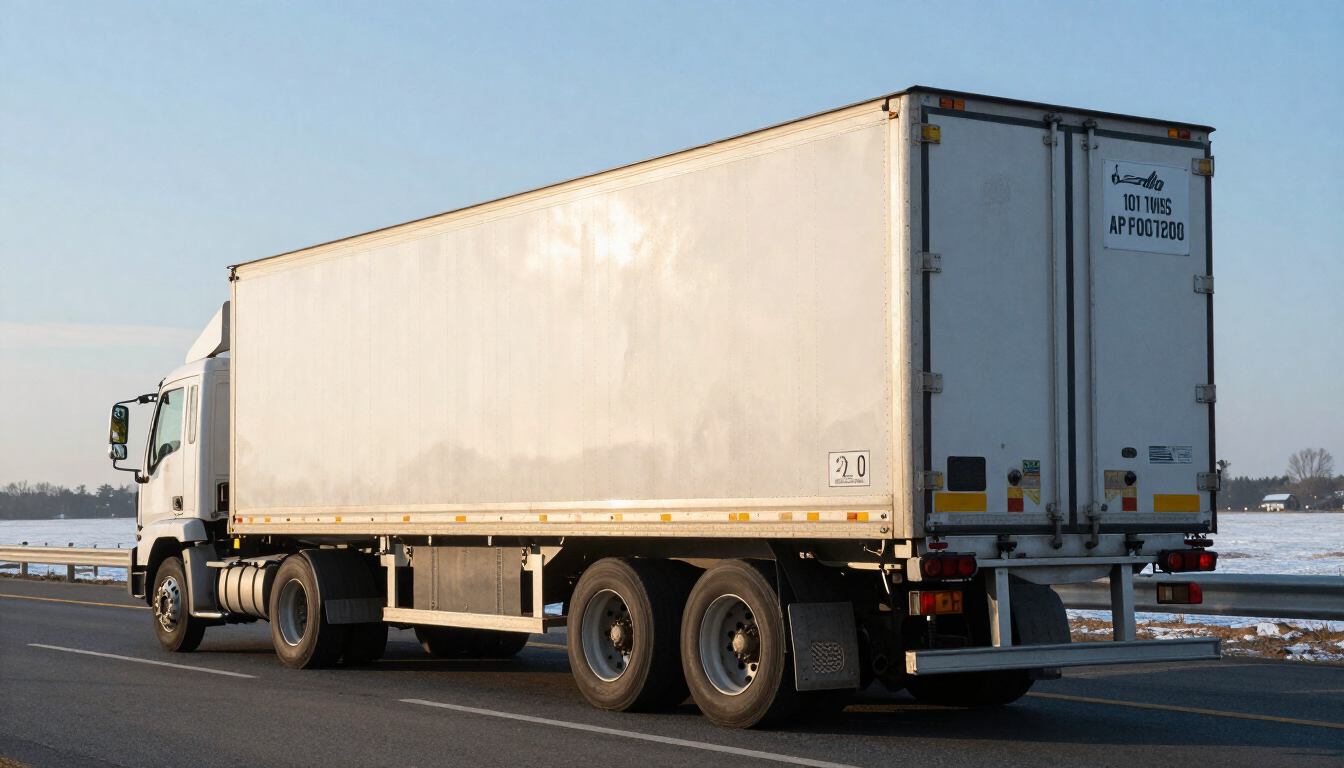
Cold Chain Logistics: Best Practices for Temperature-Sensitive Freight
Cold chain logistics — the temperature-controlled transportation and storage of perishable goods — is one of the most demanding segments in freight. From fresh produce and frozen foods to pharmaceuticals and specialty chemicals, the cost of a temperature excursion extends far beyond the load value: regulatory penalties, product recalls, customer relationships, and brand reputation all hang in the balance.
Understanding Temperature Zones
Cold chain freight is not monolithic. Different product categories require different temperature management:
- Frozen: -10°F to 0°F (-23°C to -18°C) for frozen foods, ice cream, frozen pharmaceuticals
- Refrigerated: 34°F to 40°F (1°C to 4°C) for fresh produce, dairy, chilled foods
- Controlled Room Temperature (CRT): 59°F to 77°F (15°C to 25°C) for many pharmaceuticals and specialty goods
- Cryogenic: Below -148°F (-100°C) for certain biological specimens and specialty products
Carrier Qualification for Temperature-Sensitive Freight
Not every carrier with a reefer trailer is qualified to handle temperature-sensitive freight properly. Carrier qualification should include verification of refrigeration unit maintenance records, pre-cooling procedures, temperature monitoring capability (continuous temperature logging is the standard), and driver training on temperature management protocols.
Pre-Cooling and Pre-Conditioning
A reefer unit maintains temperature — it doesn't reduce it efficiently once freight is loaded. Products must be pre-cooled to target temperature before loading, and trailers must be pre-conditioned to set temperature before freight is staged. Skipping these steps is one of the leading causes of temperature excursions during transit.
Monitoring and Documentation
Continuous temperature monitoring during transit is no longer optional for professional cold chain operations. Temperature recorders (data loggers) provide timestamped temperature history throughout the transit. This documentation serves as proof of compliance for regulatory purposes and evidence in the event of a dispute.
FSMA Compliance for Food Shipments
The FDA's Food Safety Modernization Act (FSMA) Sanitary Transportation Rule establishes requirements for vehicles, equipment, transportation operations, training, and records for shippers, loaders, carriers, and receivers involved in food transportation. Shippers are responsible for specifying temperature requirements, and carriers must meet those specifications.
Building a Reliable Cold Chain Network
Consistent cold chain performance requires qualified carrier relationships developed over time, not spot market dependence. Working with a freight broker that specializes in temperature-sensitive freight ensures access to carriers with proven protocols, proper equipment, and the operational discipline cold chain products demand.
More Articles
View All → Industry Insights
Freight Market Trends Shaping the Logistics Industry in 2025
 Shipping Best Practices
LTL vs. FTL Shipping: A Complete Guide for Shippers
 Carrier Selection
How to Choose the Right Freight Carrier: A Shipper's Guide
Get a Freight Quote Today
Put these insights to work. C360 Logistics connects shippers and carriers across the USA, Canada, and Mexico.
Request a Quote