
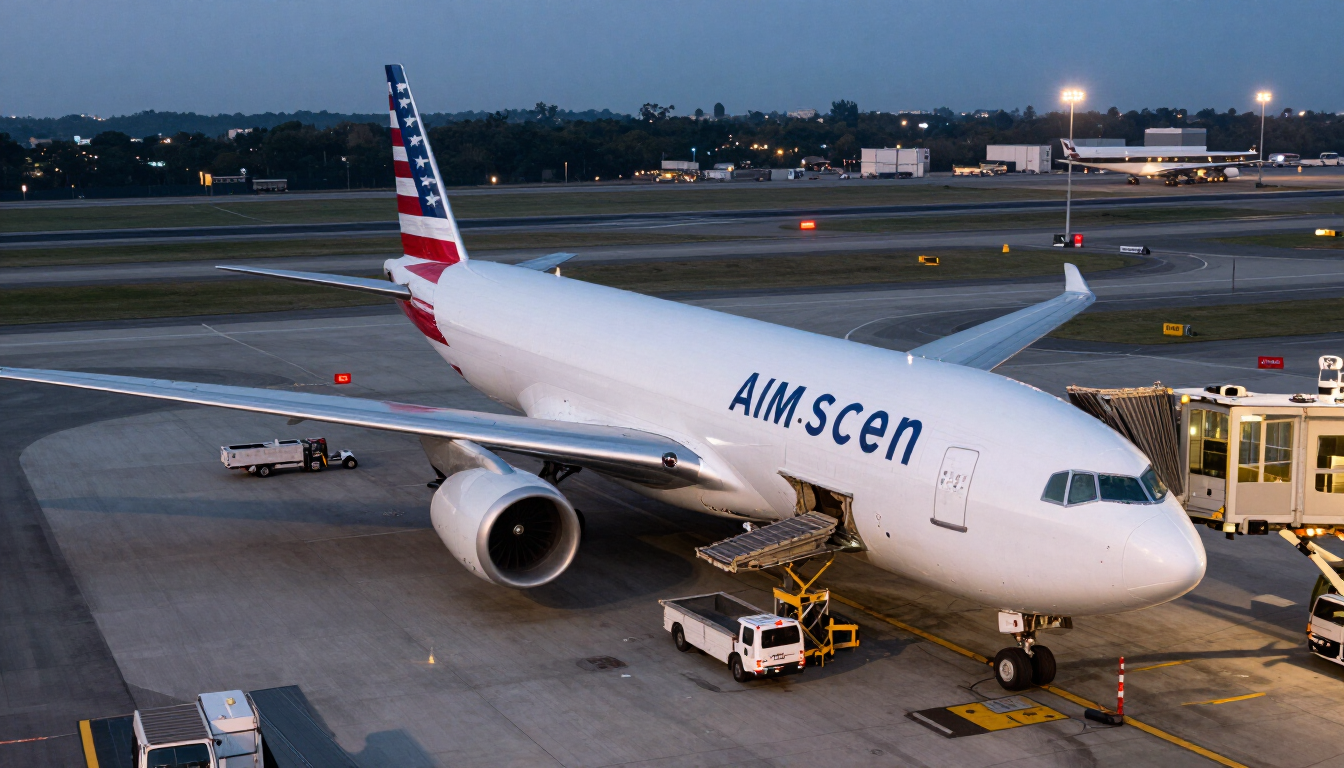
Air Freight vs. Ocean Freight: Choosing the Right Mode for International Shipments
International freight movements present a fundamental mode choice that has significant implications for cost, speed, reliability, and supply chain design. Air freight and ocean freight represent opposite ends of the speed-cost spectrum, and the right choice depends on a careful evaluation of cargo characteristics, business requirements, and total landed cost.
Ocean Freight: The Cost-Efficient Backbone of Global Trade
Ocean freight accounts for approximately 90% of global trade by volume. Container shipping via Full Container Load (FCL) or Less than Container Load (LCL) provides the lowest cost-per-unit transportation for most commodity types. Standard transit times from Asia to US West Coast ports range from 14–21 days, with East Coast routes adding additional days via either all-water service through the Panama Canal or intermodal connections from West Coast ports.
Ocean freight requires longer lead times for supply chain planning, creating inventory implications that must be factored into total cost analysis. The low per-unit cost, however, enables import economics that are impractical via air.
Air Freight: Speed for High-Value and Time-Sensitive Cargo
Air freight offers dramatically shorter transit times — typically 1–5 days for most international routes — at a significant cost premium. Air freight rates are typically 4–6x higher than ocean freight on a per-kilogram basis and even more pronounced on a volume-weight basis.
Despite the cost premium, air freight delivers compelling value for specific cargo categories: high-value goods where inventory carrying cost and time-to-market justify the premium, time-sensitive replenishment to prevent stockouts, perishable products, samples and prototypes, and emergency shipments where speed is non-negotiable.
Key Decision Factors
Cargo Value and Density: High-value, low-density goods (electronics, pharmaceuticals, luxury items) favor air freight where the cost premium represents a smaller percentage of cargo value and inventory carrying cost is significant. Low-value, high-volume commodities (raw materials, furniture, appliances) favor ocean freight.
Time-to-Market: Products with short product lifecycles, seasonal demand windows, or high stockout costs benefit from the speed premium of air freight. Replenishment planning flexibility reduces air freight dependency.
Supply Chain Reliability: Ocean freight is subject to port congestion, vessel delays, and schedule disruptions that have been particularly pronounced in recent years. Air freight, while more expensive, offers more consistent and predictable service for critical shipments.
Hybrid Strategies
Many sophisticated shippers use a combination of ocean and air freight — moving the bulk of inventory via ocean while using air freight for initial launch quantities, emergency replenishment, and high-velocity SKUs. This hybrid approach optimizes total supply chain cost while maintaining the flexibility to respond to demand signals.
More Articles
View All → Industry Insights
Freight Market Trends Shaping the Logistics Industry in 2025
 Shipping Best Practices
LTL vs. FTL Shipping: A Complete Guide for Shippers
 Carrier Selection
How to Choose the Right Freight Carrier: A Shipper's Guide
Get a Freight Quote Today
Put these insights to work. C360 Logistics connects shippers and carriers across the USA, Canada, and Mexico.
Request a Quote