

AI in Freight Logistics: How Artificial Intelligence Is Reshaping the Supply Chain in 2026
Artificial intelligence has moved from buzzword to operational reality in freight logistics. In 2026, AI-powered tools are actively shaping how freight brokers price loads, match carriers, predict transit disruptions, and manage exceptions. For shippers and carriers, understanding where AI delivers real value — and where human expertise still leads — is essential to building a competitive logistics strategy.
Predictive Load Matching and Pricing
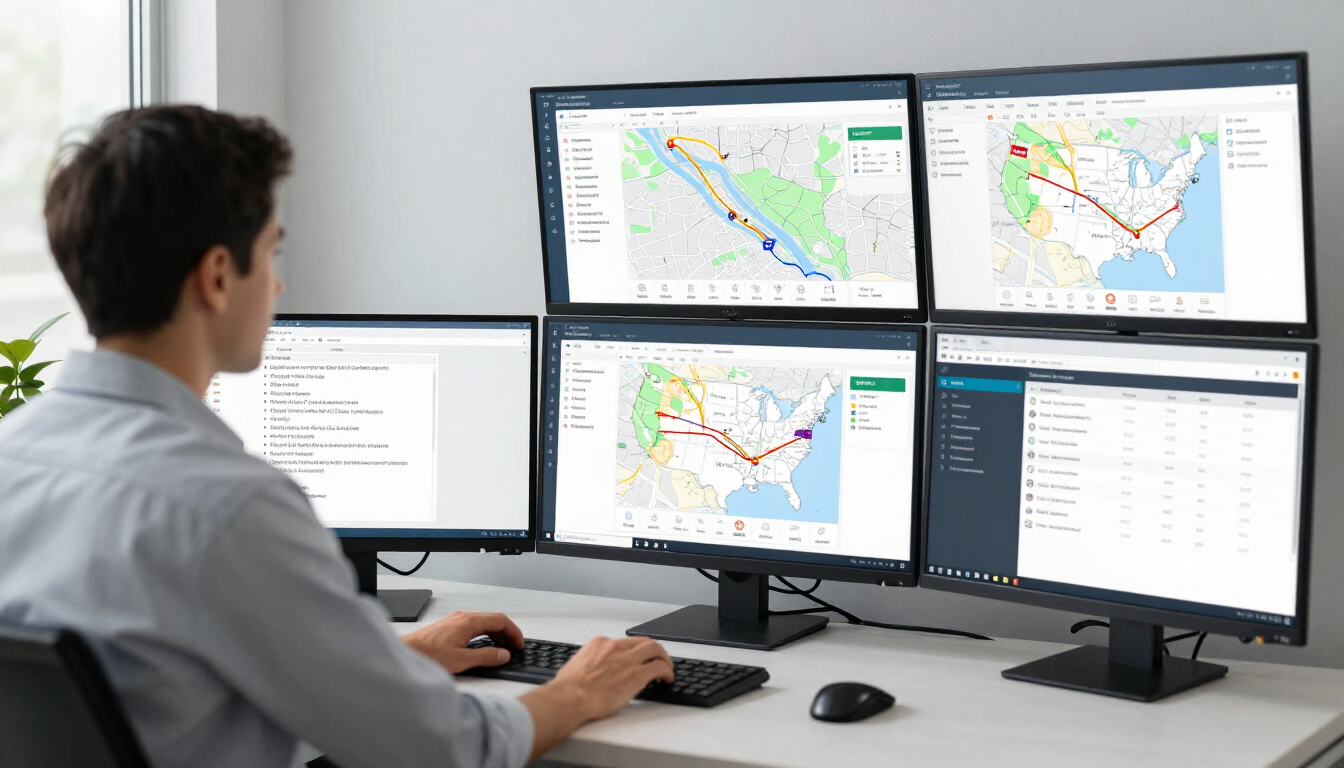
AI load matching platforms analyze carrier location data, historical lane performance, equipment availability, and real-time market rates to recommend the optimal carrier for each shipment. These systems reduce the time required to cover a load from hours to minutes while improving carrier utilization. Predictive pricing models also help freight brokers quote competitive rates that reflect current market conditions rather than stale tariff sheets.
Predictive ETA and Exception Management
Machine learning models trained on historical transit data, weather patterns, traffic conditions, and carrier performance can predict shipment arrival times with increasing accuracy. More importantly, these systems flag at-risk loads before they miss delivery windows, enabling proactive intervention — rerouting, carrier swaps, or customer notification — rather than reactive problem-solving after a failure.
Automated Document Processing
Optical character recognition and natural language processing tools now automate bill of lading extraction, invoice reconciliation, and customs document processing. These AI document tools reduce manual data entry errors, accelerate billing cycles, and free operations teams to focus on exception handling and relationship management rather than routine paperwork.
Demand Forecasting and Capacity Planning
AI-driven demand forecasting helps shippers anticipate freight volume patterns weeks or months in advance, enabling smarter contracted capacity commitments and inventory positioning. Carriers use similar models to optimize asset utilization and predict where capacity will be needed. The result is a more efficient market with less deadhead mileage and better load-to-truck balance.
Generative AI for Customer Communication
Generative AI assistants are streamlining customer communication — drafting shipment status updates, generating quotes, and answering routine freight inquiries. When integrated with TMS and visibility data, these tools provide instant, accurate responses to common shipper questions, improving service responsiveness without expanding headcount.
Where Human Expertise Still Leads
AI excels at pattern recognition and prediction, but freight brokerage still requires judgment that algorithms cannot replicate. Negotiating complex rates, navigating carrier relationships during capacity crunches, resolving multi-party claims, and advising on network design all demand experienced logistics professionals. The most effective operations pair AI infrastructure with seasoned freight experts who interpret the data and apply market knowledge algorithms alone cannot.
Preparing Your Supply Chain for AI
AI tools depend on clean, structured data. Shippers investing in TMS integration, standardized shipment data, and digital document workflows are best positioned to benefit from AI-powered logistics. Partnering with a technology-forward freight broker provides access to AI capabilities without the capital investment of building proprietary systems.
More Articles
View All → Industry Insights
Freight Market Trends Shaping the Logistics Industry in 2025
 Shipping Best Practices
LTL vs. FTL Shipping: A Complete Guide for Shippers
 Carrier Selection
How to Choose the Right Freight Carrier: A Shipper's Guide
Get a Freight Quote Today
Put these insights to work. C360 Logistics connects shippers and carriers across the USA, Canada, and Mexico.
Request a Quote